Each case study below represents an actual installation completed by our invited specialists. We showcase the challenges each homeowner faced, the solution we implemented, and the outcomes they experienced. While individual results vary depending on home characteristics and local conditions, these examples provide a transparent look at what our smart climate control platform can achieve across different Canadian regions and property types.
A 2,400 square foot detached home in midtown Toronto struggled with uneven heating distribution. The second floor was consistently warmer than the main level during winter months, while the basement remained uncomfortably cold. The homeowner was running the furnace at high output to compensate, resulting in elevated energy bills throughout the heating season.
Our invited specialist installed a network of six wireless temperature sensors across three floors, paired with a central smart thermostat. The AI engine mapped the home's thermal profile over the first two weeks, identifying airflow patterns and insulation weak points. Automated damper controls were added to the existing ductwork to redirect warm air to underserved areas on demand.
Within the first full heating season, the homeowner reported a noticeably more consistent temperature across all three levels. The furnace ran fewer high-output cycles because the system pre-heated rooms based on predicted occupancy patterns. The homeowner observed a meaningful reduction in their monthly gas bill compared to the previous year, though exact savings depend on weather severity and usage habits.




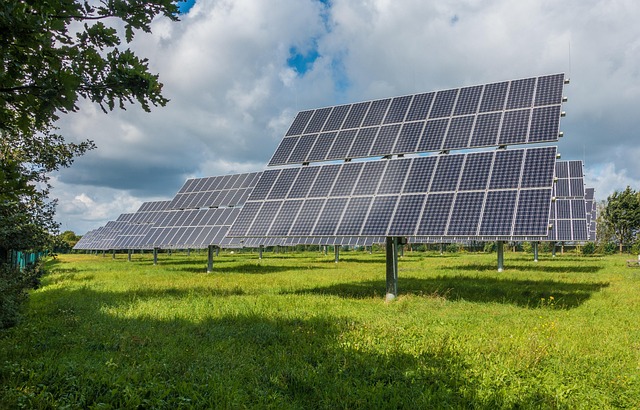
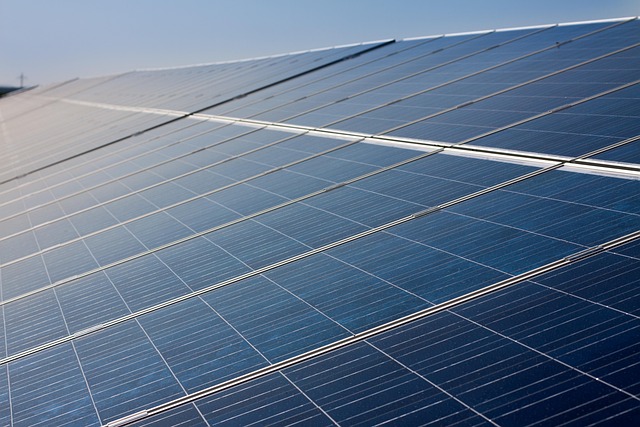

A Calgary homeowner had invested in a 6kW rooftop solar panel array two years prior but was exporting most of the generated electricity back to the grid at a lower rate than purchase cost. Their heat pump system operated independently without any coordination with solar production schedules, meaning peak solar generation rarely aligned with peak heating demand.
We installed our solar integration module, which monitors real-time solar panel output and dynamically routes surplus energy directly to the heat pump. The AI algorithm learned the home's daily solar production curve and adjusted the heating schedule to front-load energy usage during high-production midday hours. A thermal battery approach was used, pre-heating the home slightly above the target temperature during peak solar so less grid energy was needed in the evening.
The homeowner's grid electricity consumption for heating dropped noticeably during sunny months. Even in Alberta's cloudy winter periods, the system captured available solar energy more efficiently than the previous uncoordinated setup. The owner noted that the proportion of self-consumed solar energy increased substantially, reducing their reliance on grid-purchased electricity for climate control purposes.
A frequent business traveller owned a two-bedroom condo in downtown Vancouver. They often returned from week-long trips to find their unit either uncomfortably cold (in winter) or stuffy and warm (in summer) because the thermostat had been set to a fixed energy-saving mode. Running the HVAC continuously while away wasted energy, but manual adjustments required being physically present or relying on a building timer with limited flexibility.
We installed compact smart sensors in each room and replaced the existing thermostat with our connected unit. The mobile app allowed the owner to check and adjust temperatures remotely from anywhere in Canada or abroad. We configured automated arrival and departure profiles: when the owner marked an upcoming return in the app, the system began gradually adjusting the temperature six hours before the scheduled arrival time, reaching the preferred comfort level exactly when they walked through the door.
The condo owner now manages their climate entirely through the smartphone app. During absences, the system maintains a minimal energy-saving mode that protects pipes and prevents moisture buildup. Before each return, the AI pre-conditions the unit to the preferred temperature. The owner reported significantly improved comfort upon arriving home and peace of mind from real-time monitoring alerts, such as notifications if indoor humidity exceeded safe thresholds.






A 3,800 square foot family home in Ottawa experienced severe temperature swings during the region's harsh winters. The existing forced-air system was reactive, cycling on after the house had already cooled significantly. This led to comfort complaints from family members, especially in the early morning hours when overnight temperatures dropped below minus twenty degrees Celsius. The homeowner wanted a proactive solution that would keep the house warm without the energy penalty of running the furnace nonstop.
We deployed our full predictive heating package: ten distributed temperature sensors, an outdoor weather station, and our AI prediction module. The system ingests real-time outdoor conditions, Environment Canada forecasts, and the home's historical thermal performance data to predict indoor temperature trajectories up to eight hours ahead. When a cold front approaches, the system gradually increases heating output before the temperature drop reaches the building envelope, maintaining a stable indoor environment without sharp spikes in energy demand.
The family noticed a dramatic improvement in overnight comfort. Morning temperatures in bedrooms and living areas remained within one degree of their set point, compared to swings of three to five degrees previously. The predictive approach spread energy consumption more evenly across the day, avoiding the costly peak-demand surges that occurred when the furnace played catch-up after a steep overnight drop. The homeowner described the experience as the most comfortable winter their family had experienced in the home.
The owner of a heritage triplex in Montreal's Plateau neighbourhood faced high electricity costs from baseboard heaters in all three units. The building's older construction and single-pane windows in some areas meant significant heat loss, and tenants had no coordinated way to manage energy use. Each unit operated independently, often heating empty rooms throughout the day while occupants were at work.
Our team installed smart baseboard controller modules in each unit, connected to a central building management hub. Occupancy sensors detected when rooms were empty and automatically reduced heating to a lower setback temperature. Each tenant received access to the mobile app for their own unit, allowing personalized scheduling. The building owner gained an overview dashboard showing combined energy usage across all three units, with monthly comparison reports.
Tenants appreciated the ability to set their own schedules without affecting other units. The occupancy-based setback feature reduced energy waste during working hours substantially. The building owner's combined electricity bill showed a measurable improvement over the same period the previous year. As an added benefit, the heritage character of the building was preserved since the smart controllers required no visible modifications to walls or baseboards.



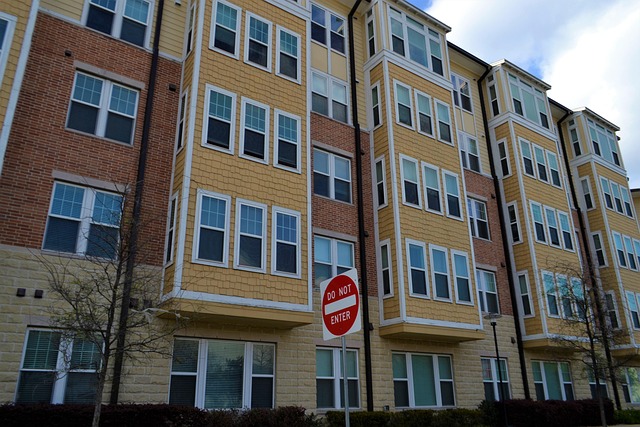

Smart Thermostat Interface
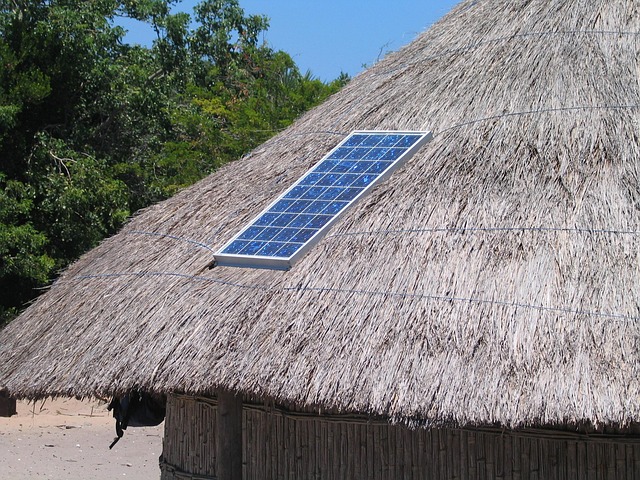
Rooftop Solar Array

App Weekly Schedule

Heat Pump Installation

Sensor Network Layout

Energy Savings Report

Professional Installation

Integration Module
Every home is different, and every smart climate solution we build is tailored to your specific property and needs. Request a consultation today and let our invited specialists assess how AI-powered heating can work for your Canadian home.
The case studies presented on this page describe real installation projects completed by Escarpment Smart Home Inc. Individual results vary depending on home size, insulation quality, existing HVAC equipment, local weather conditions, and energy pricing. We do not guarantee specific energy savings, cost reductions, or property value increases. All specialists participate as invited experts. Users are responsible for their own decisions regarding home improvements and energy investments.